Custom Website vs. Template

Imagine you’re opening a shop on a busy street. You wouldn’t use the exact same furniture, paint, and layout as the store next door, because you want customers to remember you. Your website works the same way.
Many small and medium business owners reach for Wix, Squarespace, or similar template platforms when they need a website. It seems smart at first: it’s cheap, it’s fast, and it looks “good enough.” But that decision might be costing you more than you realize.
Your website is your first impression
Most of your potential customers will find you online before they ever walk through your door. They’ll search Google, land on your site, and within a few seconds decide whether your business looks professional or not.
A professional business website builds trust instantly. A template that twenty other companies in your area also use does not.
Template sites all look the same
And that’s a real problem. If you run an accounting firm, there’s a genuine chance your competitor is using the exact same template. Same layout, same color scheme, same style. The only difference is the text and the logo.
A customer comparing three firms won’t remember any of them, because they all look like they came from the same factory. In a market where you need to stand out, that’s a missed opportunity.
Google rewards fast websites
You don’t need to understand the technical details. Just one thing: Google ranks faster websites higher. If your site loads slowly, you appear lower in search results. And if you’re on page two of Google, you might as well not exist.
Template platforms often load dozens of plugins and code you don’t actually need. The result? A slow site that loses search rankings and customers who won’t wait for it to load.
Custom website development means your site is built lean from day one, with no unnecessary baggage, just what your business actually needs.
Your site should look like your business
Colours, layout, the way a visitor moves through the pages: all of it should reflect your brand and guide customers toward what matters: a phone call, an enquiry, a purchase.
With a template, you’re compromising from the start. You can change a button color, but you can’t change how the site feels, and that feeling is what separates a website that just exists from one that actually brings in clients.
The hidden costs of “cheap” templates
Templates seem affordable. 15 euros a month sounds great. But then you need a plugin for your contact form. And one for SEO. And the premium template because the free one doesn’t cut it. And stock photos. And a domain.
By the end of the month you’re paying 40-50 euros, and you still don’t have a site that does what it should. That’s 500-600 euros a year for something you don’t fully control and can’t move if the platform raises prices tomorrow.
A custom website is a one-time investment. The site is yours, the code is yours, and nobody can change the terms on you.
Mobile matters more than you think
Most people browse the internet on their phones. Template sites have “responsive” design, meaning the page adjusts to the screen, but that’s the bare minimum. Fitting on a screen and providing a good mobile experience are two different things.
When a professional business website is built from scratch, every element is designed with mobile in mind. Buttons are easy to tap, text is readable, and visitors can do what they came to do without frustration. That means more calls, more enquiries, more business.
An investment that pays for itself
A custom website isn’t a cost. It’s a business tool that works for you around the clock. Better Google rankings mean more visitors. A better experience means more enquiries. A professional image means more trust.
If you’re thinking about a new website for your business, or your current site is holding you back instead of helping you grow, get in touch. At TechCraft, we build websites that are fast, professional, and designed for your business.
Related Posts
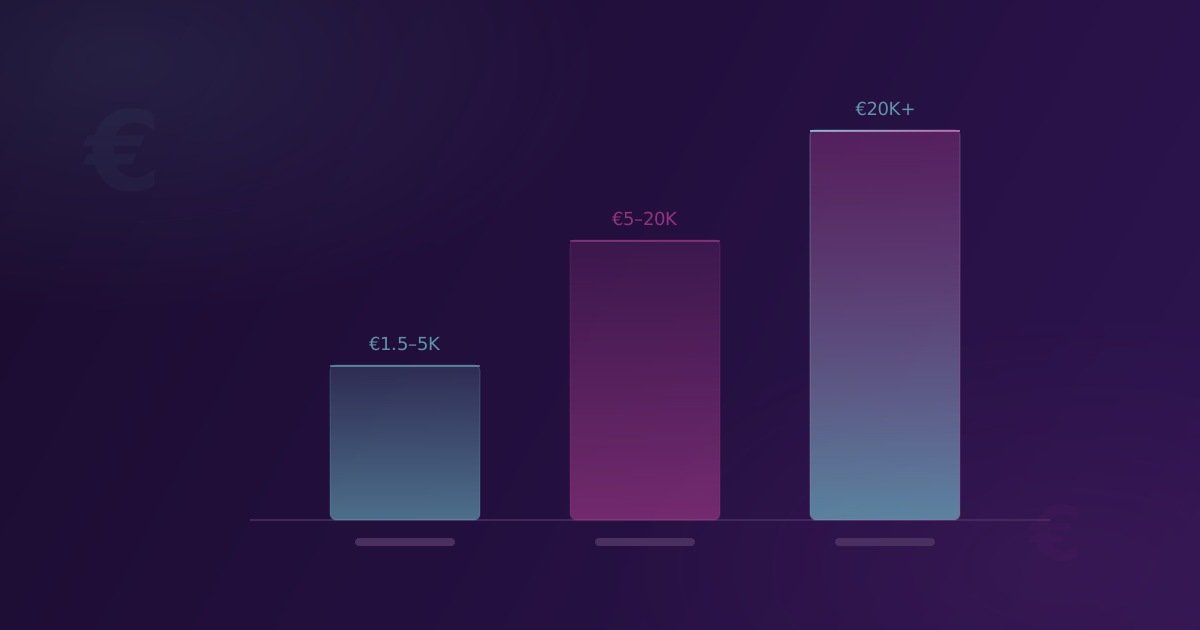
How Much Does a Web Application Cost in 2026?
Real price ranges for websites and web applications in 2026, from simple business sites to complex platforms. No hidden costs, no vague answers.

Why One Small Detail Can Cost You Clients
A 1969 psychology experiment explains why one small sign of neglect, an outdated website or an unanswered email, can quietly destroy client trust.